 Catalogue de métadonnées
Type of resources
Available actions
Topics
INSPIRE themes
Provided by
Years
Formats
Representation types
Update frequencies
status
Resolution
-
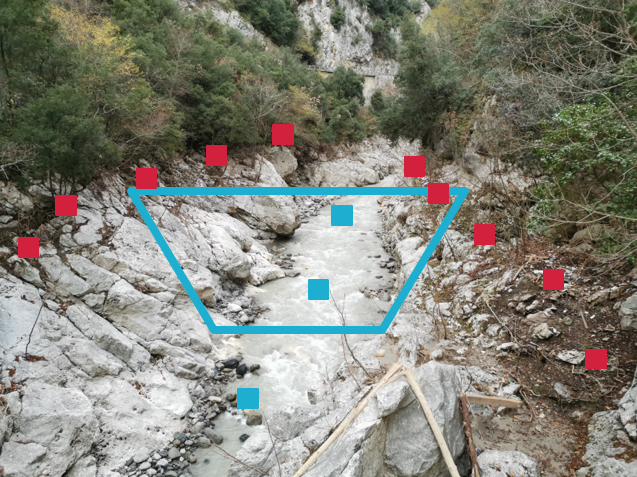
Dataset obtained from a post event field survey, after the 15th of october 2018 flood in the Aude watershed (France). The post event survey aimed at gathering of information about cross sections, peak discharges and flood dynamics. Cross section data was obtained from field measurements with a theodolite sensor. Peak discharge data are indirect estimates based on local hydraulic analysis (Manning Strickler or other formulas), and are associated with estimated confidence intervals.
-
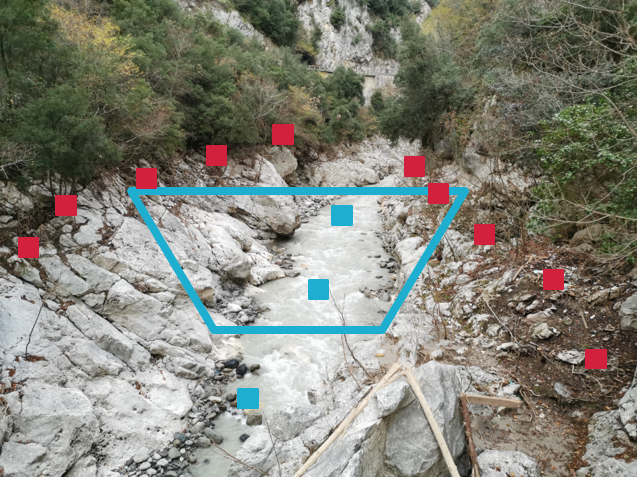
Dataset obtained from a post event field survey, after the 30th june 2024 and 20th July 2024 floods in the Haute-Marne territory (France). The main concerned watersheds are the following: Rongeant, Rognon, and Vazille (tributaies of the Marne river) The post event survey aimed at gathering of information about cross sections, peak discharges and flood dynamics. Cross section data was obtained from field measurements with a theodolite sensor. Peak discharge data are indirect estimates based on local hydraulic analysis (Manning Strickler formulas), and are associated with estimated confidence intervals.
-
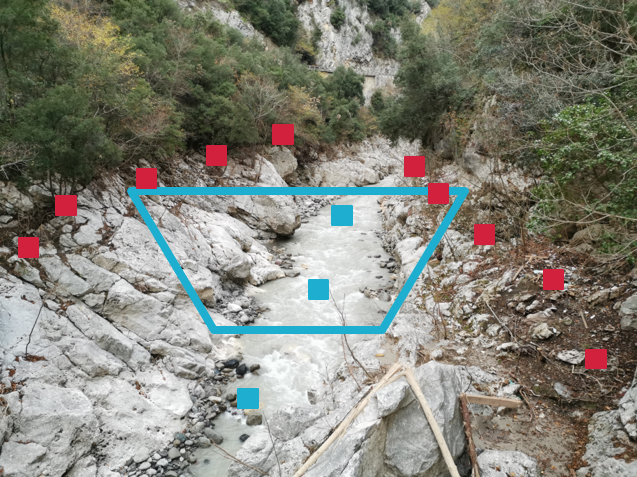
Dataset obtained from a post event field survey, after the 17th may 2024 floods in the Moselle and Bas Rhin territories (France). The main concerned watersheds are the following: Nied and Sarre (tributaries of the Moselle river), Sauer and Moder (tributaries of the Rhine river) The post event survey aimed at gathering of information about cross sections, peak discharges and flood dynamics. Cross section data was obtained from field measurements with a theodolite sensor. Peak discharge data are indirect estimates based on local hydraulic analysis (Manning Strickler formulas), and are associated with estimated confidence intervals.
-
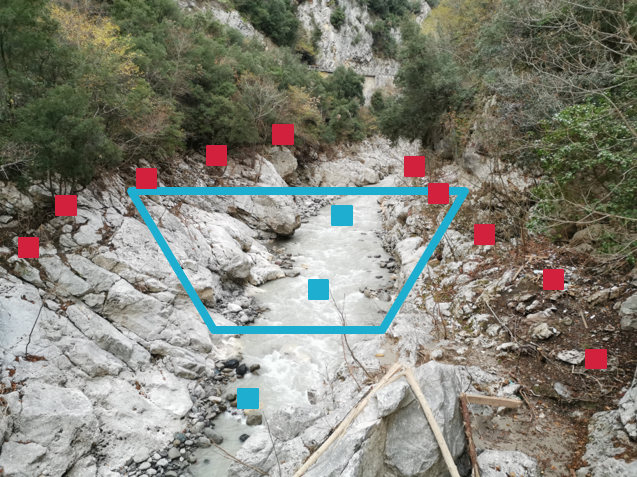
Dataset obtained from a post event field survey, after the 17th october 2024 floods in the Ardeche territory (France). The main concerned watersheds are the following: Cance, Eyrieux, Ardèche, Cèze (tributaies of the Rhône river) The post event survey aimed at gathering of information about cross sections, peak discharges and flood dynamics. Cross section data was obtained from field measurements with a theodolite sensor. Peak discharge data are indirect estimates based on local hydraulic analysis (Manning Strickler formulas), and are associated with estimated confidence intervals.
-
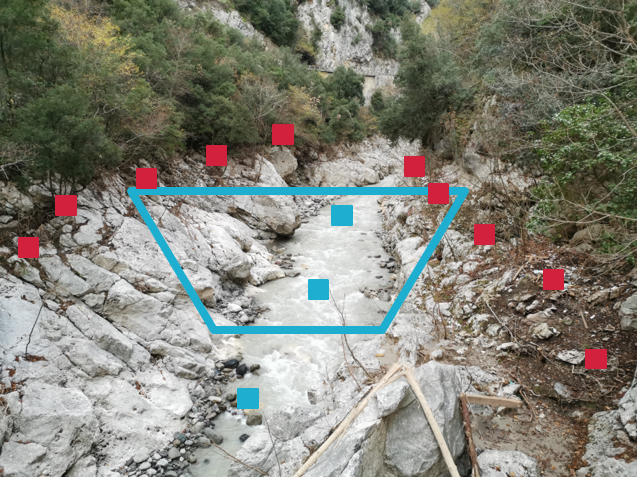
Dataset obtained from a post event field survey, after the 20th may 2025 floods in the Var territory (France), particularly in the municipality of Le Lavandou. The main concerned watersheds are the following: Môle, Giscle, Aille (tributary of the Argens river), and Ruisseau de Quicule The post event survey aimed at gathering of information about cross sections, peak discharges and flood dynamics. Cross section data was obtained from field measurements with a theodolite sensor. Peak discharge data are indirect estimates based on local hydraulic analysis (Manning Strickler formulas), and are associated with estimated confidence intervals.
-
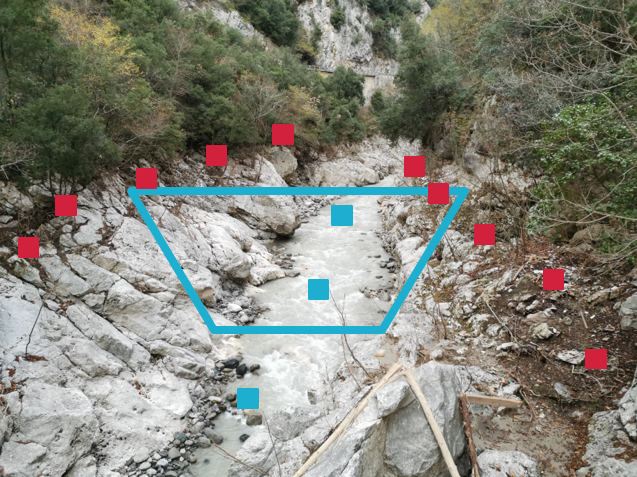
Dataset obtained from a post event field survey, after the 9th of august 2018 floods in the Ceze and Ardeche watersheds (France). The post event survey aimed at gathering of information about cross sections, peak discharges and flood dynamics. Cross section data was obtained from field measurements with a theodolite sensor. Peak discharge data are indirect estimates based on local hydraulic analysis (Manning Strickler or other formulas), and are associated with estimated confidence intervals.
-
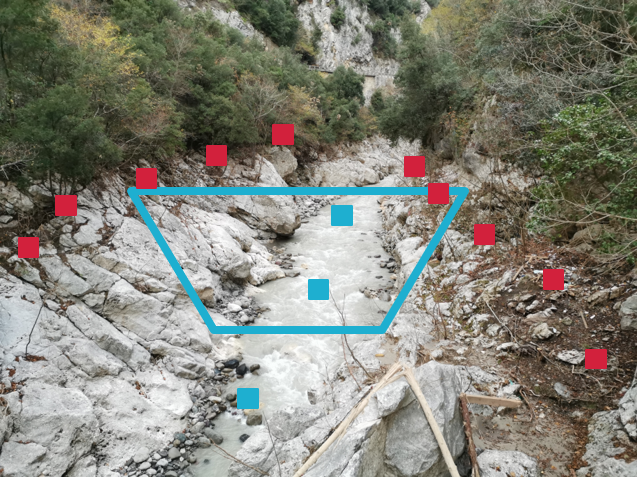
Dataset obtained from a post event field survey, after the 23th of november 2019 and 1st of december 2019 floods in the Alpes-Maritimes and Var territories (France). The main concerned watersheds are the following: Agay, Riou de l'Argentiere, Grande Garonne, Reyran, Vallon de Théoulière (Siagne tributary) The post event survey aimed at gathering of information about cross sections, peak discharges and flood dynamics. Cross section data was obtained from field measurements with a theodolite sensor. Peak discharge data are indirect estimates based on local hydraulic analysis (Manning Strickler or other formulas), and are associated with estimated confidence intervals.
-
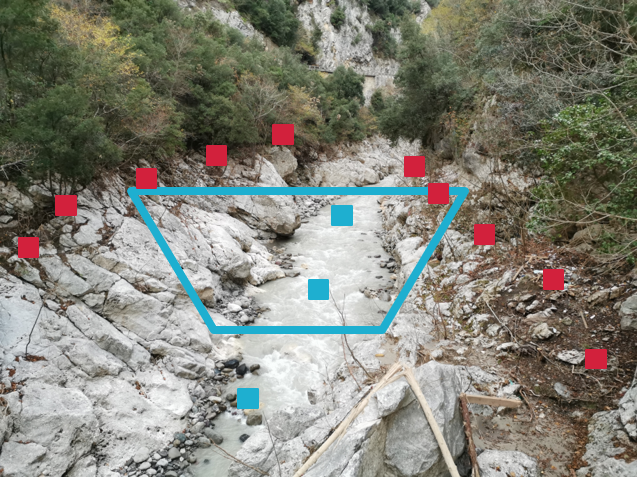
Dataset obtained from a post event field survey, after the 3rd of october 2015 flood in the Alpes-Maritimes territory (France). The main concerned watersheds are the following: Riou de l'Argentière, Grande Frayère, and Brague. The post event survey aimed at gathering of information about cross sections, peak discharges and flood dynamics. Cross section data was obtained from field measurements with a theodolite sensor. Peak discharge data are indirect estimates based on local hydraulic analysis (Manning Strickler or other formulas), and are associated with estimated confidence intervals.
-
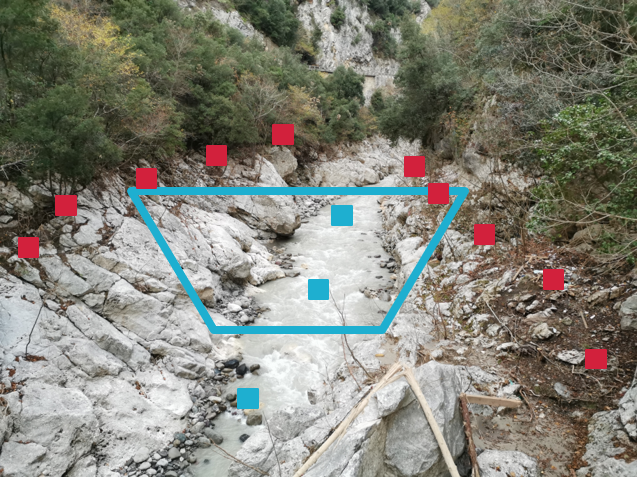
Dataset obtained from a post event field survey, after the 18th june 2013 flood in the Pyrénées region (France). The concerned watersheds are the Garonne, Gave de Pau and Neste. The post event survey aimed at gathering of information about cross sections, peak discharges and flood dynamics. Cross section data was obtained from field measurements with a theodolite sensor. Peak discharge data are indirect estimates based on local hydraulic analysis (Manning Strickler or other formulas), and are associated with estimated confidence intervals.
-
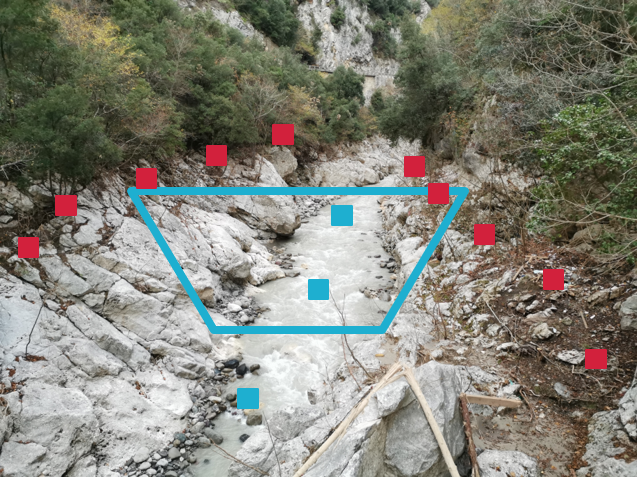
Dataset obtained from a post event field survey, after the september 2002 extraordinary flash flood event in the Gard region (France). The concerned watersheds are the Cèze, the Gardons, and the Vidourle. The post event survey aimed at gathering information about cross sections, peak discharges and flood dynamics. The dataset also includes stream gauge measurements, pictures and films, and interviews of witnesses. Cross section data was obtained from field measurements, generally with a theodolite sensor. Peak discharge data are indirect estimates based on local hydraulic analysis (Manning Strickler or other formulas), and are associated with estimated confidence intervals.